
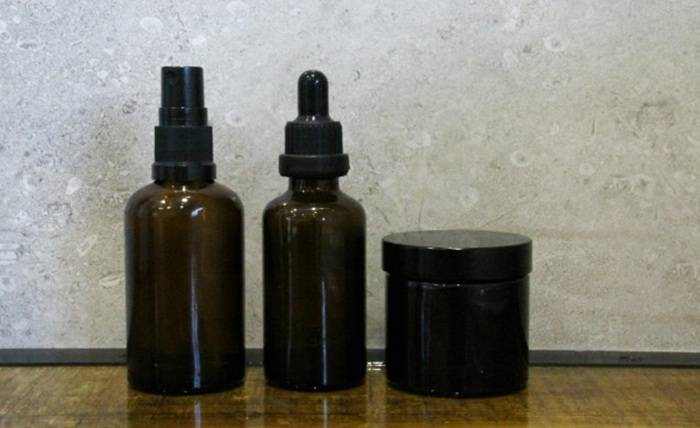
Natural oils have been harnessed for centuries as beneficial treatments for skin and hair health. Their unique properties enable them to deliver nourishment and moisture, address specific skin concerns such as dryness or acne, and promote hair strength and growth. Statistics show that the organic personal care market, heavily inclusive of natural oils, is projected to exceed $25 billion by 2025, indicating its rising popularity and acknowledged effectiveness.
Utilizing natural oils can be transformative for both skin and hair wellness, with numerous types lending themselves to different uses. Individuals are turning towards these oils for a holistic approach to beauty care. Below, we explore the benefits and uses of natural oils and how to integrate them into your daily rituals for improved skin and hair health.
Harnessing the Power of Natural Oils for Hair Growth and Scalp Nourishment

Natural oils are not only a boon for skin health but also potent stimulants for hair growth and scalp nourishment. For example, castor oil, fortified with ricinoleic acid, has been linked to enhanced hair growth and thickness.
Scalp health is crucial for hair growth, and oils such as peppermint and rosemary have shown to invigorate the scalp, stimulate blood flow, and potentially promote hair growth. They can be massaged into the scalp as part of a pre-shampoo treatment or mixed with a carrier oil for overnight conditioning.
For those seeking a natural solution for enhanced hair and scalp health, consider integrating a product like Miracle Oils for skin and hair into your care routine, as these often combine multiple beneficial essential and carrier oils.
Natural Oils and Their Nourishing Properties for Skin Health
Natural oils are lauded for their potent compositions, rich in vitamins, antioxidants, and essential fatty acids, which are integral for maintaining skin vitality. For instance, argan oil is esteemed for its vitamin E and fatty acid content, making it a powerful hydrating agent for the skin.
Studies have demonstrated that oils like coconut and jojoba can mimic the skin’s natural sebum, thereby harmonizing oil production and reducing the likelihood of acne. These oils can penetrate deeply into the skin, offering a robust shield against environmental stressors while promoting elasticity and reducing the appearance of fine lines.
To leverage these benefits, it’s advised to select cold-pressed, unrefined oils for the highest level of nutrients. These can be used as a part of daily moisturizing routines, as a nighttime treatment, or even as a gentle makeup remover.
Essential Oils Versus Carrier Oils: Understanding Their Roles in Skin Care
Essential oils and carrier oils play distinct yet complementary roles in skincare. While essential oils are concentrated plant extracts used for their scent and therapeutic properties, carrier oils serve as a diluting agent to ensure that essential oils can be applied safely to the skin.
For example, tea tree oil, renowned for its antibacterial properties, is often used to treat acne but must be diluted with a carrier oil like sweet almond to prevent skin irritation. Conversely, carrier oils like grapeseed are appreciated for their light texture and non-comedogenic nature, making them an excellent base for any skin type.
When incorporating essential oils into skincare, it’s essential to perform a patch test and maintain a proper dilution ratio, typically 2-5% of essential oil to the carrier oil volume, to avoid sensitivity and maximize benefits.
Customizing Your Natural Oil Blends for Specific Skin and Hair Needs
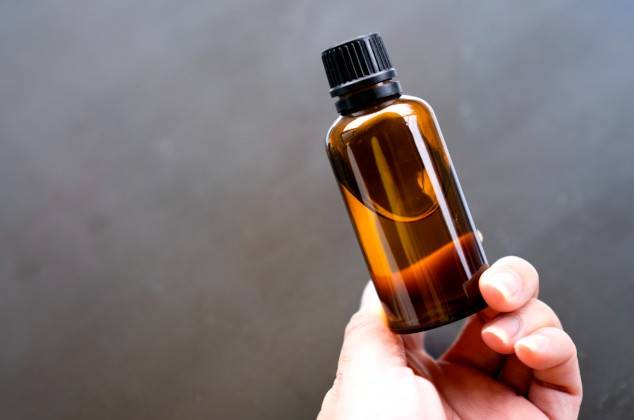
Personalization is key when formulating natural oil blends for skin and hair care. Understanding your specific concerns enables you to select oils that target individual issues, such as dryness, dandruff, or a lackluster complexion.
For dry or aging skin, a blend of avocado and rosehip oil can offer intensive hydration and boost collagen production. For hair, a combination of jojoba oil to balance oil production and lavender for its soothing properties can be particularly effective for those with sensitive scalps or oily strands.
Creating a DIY blend allows for tailored treatments that align with personal preferences and needs. Start with a base of carrier oil and add a few drops of different essential oils, adjusting the mixture as you observe how your skin and hair respond over time.
Ultimately, natural oils offer a versatile and powerful approach to skin and hair care. They can deliver deep nourishment and target specific concerns, all while remaining a gentle and holistic option. Whether through single-oil use or customized blends, the advantages for skin and hair health are considerable and well-supported by both historical use and modern research.