
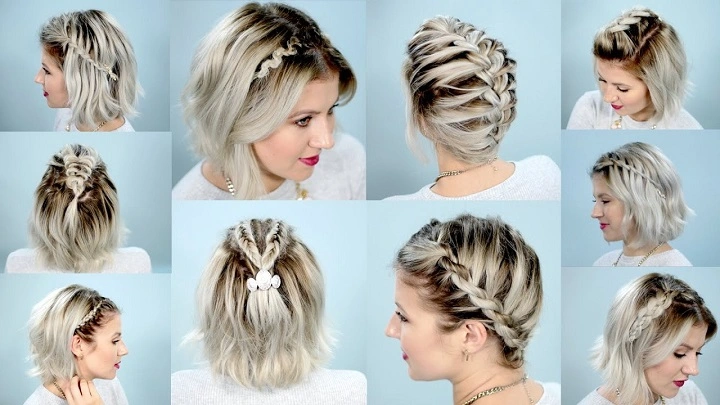
Braiding hair stands as one of the ancient, cherished and expressive hairstyling customs worldwide. It’s soothing. It’s intimate. It’s peaceful. Once you grasp the technique. Dividing, tension, rhythm, flow. Braiding turns simple, even soothing. Whether styling your hair a child’s or a loved one’s, the act feels personal and artistic. Each braid is a design, crafted with care and formed by your hands.
Mastering hair braiding grants you creative styling options. A braid may be tidy or relaxed, basic or intricate suitable for wear or special occasions. It manages hair neatly, appears attractive from all perspectives and suits wavy, curly or coily hair types. This tutorial guides you step by step on the method to braid hair. Including various braid styles, styling suggestions, common errors to steer clear of and advice for every hair texture.
The Benefits of Braiding Hair

Braids serve more than just a way to style hair. They function as a tool. They guard, mold and arrange hair all while maintaining an appearance.
People braid hair because:
- It maintains hair and managed
• It safeguards the tips, against snarls and harm
• It functions on all lengths and textures
• It can be casual or formal
• It endures all day long
• It becomes simple after you understand the method.
• It is appropriate, for kids, adolescents and grown-ups
A braid is simple beauty — timeless, neat, and versatile.
Essentials to Have Ready Before Beginning to Braid
Creating braids demands equipment. Only a handful of items are needed:
- A comb (wide-tooth or fine-tooth depending on hair type)
• Detangling spray or water
• Elastic bands or hair ties
• Clips for sectioning
• Edge brush (optional)
• Light hair oil or serum (optional for shine)
Hair that is properly prepared facilitates more pleasant braiding.
How to Prepare Hair for Braiding
Prior to braiding ensure the hair is untangled, divided and free of knots.
Detangle
Use a comb or your fingers to remove all knots.
Curly hair: knots when moist to prevent damage.
Straight hair: an amount of light oil aids in managing flyaways.
Brush Hair Back
Comb all the hair backward to ensure it lies flat.
This assists in maintaining the uniformity of your braid.
Optional Styling Product
Applications are welcome:
- Curl cream
• Light gel
• Serum for shine
• Leave-in conditioner
Products maintain braids clean and sleek.
Section the Hair
Each braid begins with sectioning the hair.
After dividing you can begin braiding.
How to Braid Hair (Basic Three-Strand Braid)
The basic three-strand braid is the starting point. After you get this down all other braids will become simpler.
Divide Hair Into Three Sections
Separate the hair into three equal pieces:
- Left
• Middle
• Right
Hold the left section in your left hand, right section in your right hand, and middle section free.
Cross Right Section Over the Middle
Move the right strand on top of the middle strand.
At present the right is established as the center.
Cross Left Section Over the Middle
Take the left strand and cross it over the new middle strand.
Keep Repeating
Right over middle.
Left over middle.
Right over middle.
Left over middle.
Keep your hands close to the braid for smooth, even tension.
Secure the End
Tie with an elastic band.
That’s all. An uncomplicated braid.
How to French Braid Hair
The French braid is stylish and ideal, for holding hair in place.
Step-by-Step:
Take a small section from the top of the head.
Divide it into three equal strands.
Begin a regular braid — right over middle, left over middle.
Now start adding hair:
- Add a bit of hair from the right side to the right section
• Cross it over the middle
Repeat on the left side:
- Add hair to the left section
• Cross it over the middle
Keep adding hair and crossing it over until you arrive at the nape. Finish with a regular braid.
Secure with a tie.
A French braid is smooth, classic, and perfect for all-day wear.
How to Dutch Braid Hair
A Dutch braid resembles a braid though the sections are woven underneath rather than, on top. This causes the braid to rest above the hair. Elevated.
Step-by-Step:
- Start at the top with three sections.
- Cross the right section under the middle.
- Cross the left section under the middle.
- Add hair from the right, cross it under the middle.
- Add hair from the left, cross it under the middle.
- Continue until the end.
- Finish with a regular braid.
- This is the “inside-out” braid. Richer and more striking.
How to Braid Short Hair
Braiding is more difficult, with hair yet it remains achievable.
Tips:
- Use gel for grip
• Keep sections small
• Tighten hands close to the scalp
• Try French or Dutch braids for better hold
• Secure the end with tiny elastics
Mini braids, braids or half-braids all look fantastic on short hair.
How to Braid Curly Hair
Braids look stunning when done on hair.
Tips:
- Work on damp or moisturized hair
• Apply curl cream for smoothing
• Use fingers to section curls
• Braid with gentle tension
• Avoid brushing dry curls
Wavy braids appear organic, layered and dynamically flowing.
How to Braid Thick Hair
Dense hair requires management.
Tips:
- Section cleanly
• Use clips to hold extra hair
• Divide into smaller pieces
• Add light oil to reduce friction
Dense hair forms stunning chunky plaits.
Braiding Styles to Try
Here are some easy and beautiful braid variations:
- Side Braid
Soft, feminine, and quick. - Twin Braids (Pigtail Braids)
Clean, cute, and youthful. - Fishtail Braid
Complex. Fibers drawn from the outermost borders. - Crown Braid
Wrapped around the head for a romantic look. - Boxer Braids
Double Dutch braids — sporty and neat. - Half-Up Braid
Upper part braided, part loose.
Every single one possesses its appeal.
Mistakes to Avoid When Braiding Hair
Such frequent errors can spoil the form of a braid.
Avoid:
- Braiding with tangled hair
• Using uneven sections
• Pulling too tightly
• Leaving loose strands accidentally
• Starting the braid too low for a French/Dutch style
• Not securing the end properly
Clean prep = clean braid.
Ways to Enhance the Appearance of Braids

Even basic braids appear enhanced by details.
Try:
- Pancaking (gently pulling the braid wider)
• Adding a ribbon through the braid
• Using shine spray
• Curling face-framing strands
• Using decorative elastics or clips
Several tweaks transform a braid into an elegant one.
Hair Care Tips for Braided Styles
Keep your hair healthy even when braided often.
Maintain by:
- Moisturizing regularly
• Avoiding too much tension
• Loosening braids before sleeping
• Using satin or silk pillowcases
• Washing gently after long wear
• Taking breaks between protective braids
Strong hair results in braids.
Why Braiding Is a Skill Worth Learning
Braiding allows you to manage your hairdo. It keeps the hair tidy. It conveys inventiveness.
After mastering the method you can craft innumerable styles. It is simple, quick and fun. You can braid for the office, school, athletics, occasions or simply to keep your hair tidy. Braiding is practical and beautiful — a perfect combination.
Mastering the art of braiding hair becomes easy when you grasp the pattern: divide, weave, repeat. Whether it’s the three-strand braid or the French and Dutch variations braiding offers a tidy form, gentle flow and effortless charm. It suits all ages, hair textures and events. With time, effort and careful handling your braids will appear polished, sleek and beautifully natural.