
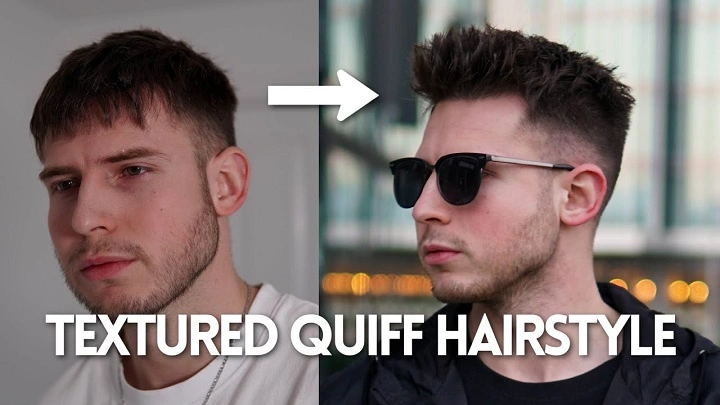
Let’s be real. Some hair styles just try way too hard. They sit there all stiff. They shine like crazy. They look like you spent forever fixing them. The textured quiff? It’s not like that at all.
It’s got height, yeah. But it moves. It’s got shape, sure. But it’s not frozen. It looks good but not fake. That’s why guys still love this style.
Here’s the thing – it takes the old-school quiff (you know, big hair in front) and makes it better. We add layers. We add movement. It feels fresh, not old. So let’s break it down. What is this style really? How’s it different from the old one? Who can rock it? How do you style it? And how do you keep it sharp without going crazy?
What’s a Textured Quiff Hair Style?
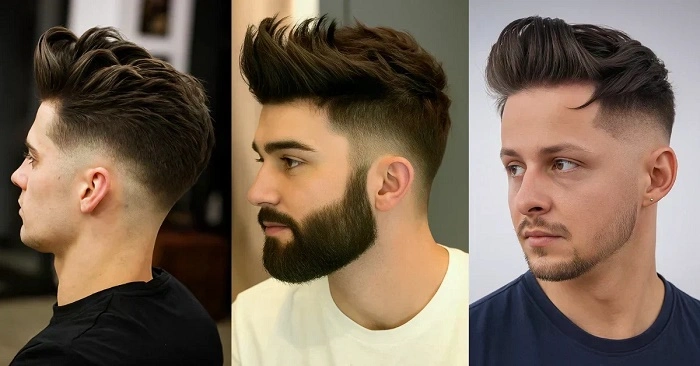
OK, so basically – you style the front part of your hair up and back a bit. But here’s the key part. Instead of making it all smooth and shiny, you break it up. You want pieces. You want it to move.
The “quiff” part means lifting the front. The “textured” part? That changes everything. No slick finish here. We’re going soft and cool.
A real textured quiff needs these things:
- Big volume up front
- Medium length on top
- Layers cut in (super important!)
- Matte finish – no shine
- Clean sides but not too tight
It’s put together but still chill.
Textured Quiff vs. Classic Quiff
The old quiff comes from way back. Think super shiny. Think rock hard. Think big and bold. It’s very… obvious. The textured quiff? We took that idea and made it work for today. What’s different? How it looks and moves.
Classic quiff usually has:
- Heavy gel or pomade
- Smooth, slicked back front
- Lots of shine
- Hard shape that won’t move
- Kinda formal look
Textured quiff gives you:
- Matte products (no shine)
- Pieces that separate
- Soft volume
- Natural flow
- Relaxed, modern vibe
One feels forced. The other feels easy.
Why Everyone Loves the Textured Quiff
Look, people want hair that works in real life. Not just for photos. The textured quiff gets it right. It’s got style but stays clean.
Why do guys dig it? It works everywhere. Coffee shop? Check. Work meeting? Yep. Date night? For sure.
People love it because it:
- Adds height without being weird
- Makes your hair texture look good
- Frames your face nicely
- Works with different fades
- Looks cool without tons of work
It’s confident but not cocky.
Best Hair Types for This Style
Good news – this style works on lots of hair types. Straight, wavy, even a bit curly. But yeah, it’ll look different based on what you’ve got.
Straight hair? You get clean lines and sharp volume. Wavy hair? Natural movement built in. Light curls? Bold and fun version.
Here’s what happens with different hair:
- Straight hair looks sleek and defined
- Wavy hair gives soft lift
- Curls create natural fullness
- Thick hair gets dense volume
- Fine hair looks fuller when layered right
Your texture is what makes it yours.
How Long Should Your Hair Be?
Length matters, guys. Too short? Can’t lift it. Too long? Gets heavy and flops. Medium on top works best. The front needs to be long enough to style up. But short enough to hold its shape.
A good textured quiff usually has:
- Three to five inches on top
- Shorter sides (obviously)
- Nice blend or taper
- Layered front part
- Not too much volume at the crown
Get the proportions right. That’s key.
Which Fades Work Best?
The textured quiff looks sick with different fades. The short sides make the top pop even more. Pick your fade height to change the whole vibe.
Popular combos:
- Low fade keeps it subtle
- Mid fade gives balance
- High fade makes a statement
- Skin fade for super sharp look
- Taper fade if you want it softer
Each one changes how the cut feels.
How to Tell Your Barber What You Want
This is huge. Just saying “quiff” might get you the slick version. Not what we want. Be clear – you want layers and texture.
Tell them:
- Keep medium length on top
- Add texture with layers
- Don’t thin it out too much
- Pick your fade height
- Keep natural movement
Photos help. A lot.
How to Style Your Textured Quiff
Styling is where the magic happens.
Start with damp hair. Not wet. Damp. Put in some light product first. Blow dry while lifting the front up with your fingers. Once it’s dry? Use matte clay or paste. Work it through. Create pieces.
Your routine:
- Blow dry up with your fingers
- Use matte clay (no shine!)
- Skip the shiny stuff
- Make pieces, not one solid shape
- Maybe use light spray to lock it
You want lift and movement. Not a helmet.
Which Face Shapes Rock This Style?
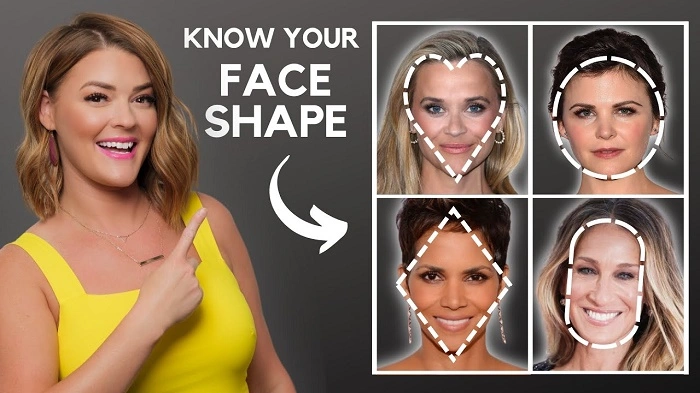
The height up front can make your face look longer. Great for round faces. Got a long face? Maybe don’t go too high.
Small tweaks help everyone look good:
- Round face? Add more height
- Oval face? Keep it moderate
- Long face? Less extreme volume
- Square face? Soften those edges
- Narrow face? Keep it balanced
It’s about what works for you.
Also Read: Taper Fade: The Clean Cut That Just Works (And Why You’ll Love It)
Keeping It Fresh
This style needs regular cuts. When it grows out, layers get weird. Volume falls flat.
Stay on top of it:
- Cut every 4-6 weeks
- Clean up sides as needed
- Refresh those layers
- Don’t let product build up
- Use good shampoo (matters more than you think)
Healthy hair = better texture.
Work vs. Weekend Vibes
Here’s what’s cool – this style works both ways. Style it neat for work. Looks pro. Style it messy for weekends. Looks chill.
You can make it feel:
- Sharp and clean
- Modern and stylish
- Relaxed and creative
- Bold and confident
- Just right
Not many styles switch like this.
Don’t Do This Stuff
Biggest mistake? Too much product. It weighs everything down. Ruins the texture. Also, don’t skip the layers. That’s what makes it work.
Avoid:
- Shiny gel (please no)
- Skipping the blow dry
- Cutting top too short
- Missing your cuts
- Pushing it flat instead of up
Let the texture breathe, man.
Why This Style Feels So Now
Modern style isn’t about perfection. The textured quiff gets that. It’s got shape but movement too.
It shows:
- Confidence without trying hard
- Volume without going crazy
- Structure that still moves
- Your own style
- What guys want today
It’s put together but not overdone.
Bottom Line
The textured quiff isn’t about looking old school. It’s about taking something classic and making it work now.
Lift in front.
Texture all over.
Confidence from every angle.