
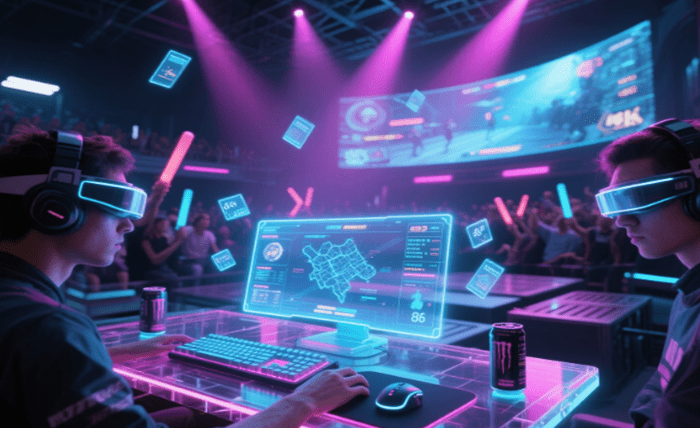
When most people think of online gaming, images of colorful screens, fast reflexes, and weekend marathons often come to mind. It’s fun, immersive, and a perfect escape from the daily grind. But if you pause and look deeper, you’ll discover a hidden layer one that’s quietly shaping skills, shaping thinking, and even shaping careers. The path from casual gaming to real-world professional success may not be obvious, but it exists, and it’s accessible to anyone willing to explore it.
From a casual gamer’s perspective, gaming is pure enjoyment. The thrill of leveling up, discovering secrets, or beating a challenging boss creates a rush of satisfaction. Yet, even in these moments of fun, subtle cognitive processes are at work. Strategy, timing, and adaptability are being trained without the player even noticing. In fact, the very mechanics that make a game engaging decision-making under pressure, analyzing patterns, anticipating outcomes are the same skills employers value in real-world environments.
Imagine a team-based multiplayer game. At first glance, it might look like mere entertainment: a squad of friends coordinating to capture objectives or defeat rivals. But from a leadership perspective, this is a microcosm of management in action. Someone must organize the group, allocate roles, monitor progress, and adapt when unexpected challenges arise. Even conflict resolution becomes part of the experience. A player slot 10k who learns to stay calm, encourage teammates, and adjust strategies on the fly is practicing leadership in a dynamic, high-stakes environment without leaving the comfort of their home.
From a problem-solving angle, games are remarkable training grounds. Puzzles, quests, and intricate game mechanics push players to think creatively. Sometimes the path to victory is obvious, but often it requires experimentation and lateral thinking. Players learn that failure is not the end; it’s data a lesson to be analyzed and applied. In the professional world, this mindset is invaluable. The willingness to try, fail, learn, and iterate mirrors the most successful approaches in entrepreneurship, innovation, and technology. Games cultivate resilience, adaptability, and critical thinking simultaneously.
Networking is another powerful, yet often overlooked, dimension. Online gaming connects individuals across continents, time zones, and cultures. A casual guild or clan can become an international team where collaboration, communication, and trust are essential. These connections can evolve into professional opportunities: freelancing partnerships, startup collaborations, or mentorship in tech and creative fields. The social skills and cultural awareness developed in these spaces are increasingly important in our globalized professional landscape.
Streaming and content creation offer yet another lens. A slot gacor thailand gamer who starts sharing their playthroughs or strategies quickly learns digital communication, branding, and audience engagement. Writing engaging captions, interacting with viewers, and editing videos are practical, transferable skills. Many online creators have parlayed these experiences into careers in digital marketing, media production, and eSports management. The very act of documenting and sharing gameplay is a subtle education in storytelling, communication, and entrepreneurship.
The psychological benefits of gaming also translate into career readiness. Time management, goal-setting, and prioritization are all integral to progressing in games. Players often balance multiple objectives simultaneously, track progress, and optimize performance. These skills are directly applicable to real-world projects, deadlines, and multitasking scenarios. Moreover, coping with high-pressure moments in games trains emotional regulation, patience, and perseverance all critical traits for navigating professional challenges.
Even creativity plays a role. Many games encourage building, designing, and problem-solving collaboratively. Think of sandbox games where players construct intricate structures or strategy games where they develop unique approaches. This nurtures innovative thinking, collaborative planning, and attention to detail. In the real world, creative problem-solving and teamwork are highly sought-after skills in industries ranging from technology to design to marketing.
From an educational perspective, games also teach data analysis and pattern recognition. Players constantly assess probabilities, learn from outcomes, and refine strategies. These analytical skills translate directly to fields like finance, operations, and engineering. The mental agility developed through gaming equips individuals to handle complex scenarios and make informed, strategic decisions.
Of course, the journey from gaming fun to career triumph is not automatic. It requires reflection, intentionality, and the ability to connect in-game experiences to real-world applications. Players who treat games as opportunities for growth whether by honing leadership skills, practicing strategy, or exploring creative expression are the ones most likely to translate their passion into professional success.
The most inspiring stories often come from those who embraced this path early. Young players who once spent hours on strategy games have become project managers, software developers, or professional gamers with sponsorships and competitive accolades. Casual streamers discovered talent for storytelling and social media management, transforming side hobbies into careers. The common thread is simple: gaming provided a safe space to learn, experiment, and excel.
Ultimately, the secret path from gaming to career triumph is built on the skills we often overlook while having fun: leadership, strategy, creativity, resilience, and communication. Online games are more than a pastime they are laboratories for personal and professional growth. Every quest completed, every team coordinated, every problem solved contributes to a toolkit that can unlock real-world opportunities.
So, the next time you sit down to play, remember: it’s not just about winning a game. It’s about practicing, experimenting, and learning in a way that could shape your future. With intention, reflection, and a willingness to translate skills, your gaming passion can become the foundation of professional success. From casual clicks to career achievements, the journey is already underway waiting for you to recognize it.
Online gaming is no longer just about fun. It is a gateway a secret path where virtual victories can cultivate real achievements, and where the lessons learned in a digital world can become stepping stones to a lifetime of success.