
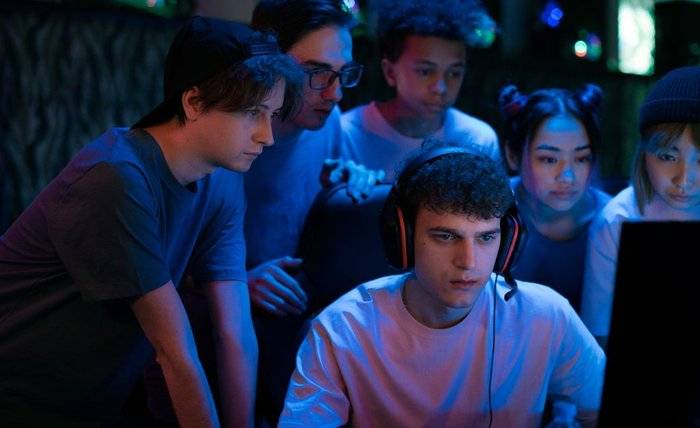
Have you ever logged into an online game and ended up staying because the people felt just as important as the play itself? That shift is a big reason online gaming has become more than a pastime. It has grown into a place where people relax, compete, chat, and find others who get them. The match or mission may bring people in, but the social side often keeps them there.
Online gaming started as a way to play with others at a distance, but it quickly became something more social than many people expected. Early online games let players face off against strangers or cooperate with friends. Instead of playing in isolation, people could react to real humans in real time. A win felt more exciting, and a loss felt more meaningful.
That shift is a big reason online gaming has become more than a pastime. It has grown into a place where people relax, compete, chat, and find others who get them. The match or mission may bring people in, but the social side often keeps them there.
What makes this change so interesting is that it did not happen all at once. It came from better internet access, shared voice chat, persistent profiles, and games that let people return to the same groups again and again. Over time, online play became a place where belonging could form naturally, one session at a time.
From Solo Play To Shared Space
Online gaming started as a way to play with others at a distance, but it quickly became something more social than many people expected.
Play That Feels Social
Early online games let players face off against strangers or cooperate with friends. That alone changed the feel of gaming. Instead of playing in isolation, people could react to real humans in real time. A win felt more exciting, a loss felt more personal, and the whole experience started to feel shared.
As games added chat, voice communication, and steady group features, players began spending time together outside the match itself. They planned strategies, joked during breaks, and returned to familiar names. That repeated contact is one of the simplest ways belonging starts to form.
Shared Goals Create Connection
Online games often ask people to work toward the same goal. That can be a team victory, a raid completion, or a long-term mission that needs coordination. Shared goals matter because they give people a reason to rely on each other, and reliance builds trust faster than small talk alone.
When players learn each other’s habits, they start to feel less like random usernames and more like people with patterns, strengths, and personalities. That familiarity can be surprisingly powerful. It turns play into a space where people feel seen.
Why Belonging Matters In Digital Play
Belonging is not just a nice extra in online gaming. For many people, it is the main reason the activity matters so much.
Recognition And Routine
People like to be recognized. In online gaming, recognition can come from a teammate remembering your play style, a group greeting you when you log in, or someone asking where you were the night before. Those small moments signal that you matter to the group.
Routine also helps. When people play with the same group regularly, gaming becomes part of their weekly rhythm. That routine can make a space feel stable, especially for people whose offline lives feel busy, lonely, or unpredictable.
Low Pressure Social Contact
For some players, online gaming offers a comfortable way to connect without the pressure of face-to-face interaction. The conversation can flow naturally around the match, which gives people something to focus on besides themselves. That can make socializing feel easier and less awkward.
This is one reason many people feel at ease in game spaces. The activity gives the interaction a structure, so there is less need to force conversation. People can talk while they play, and that shared focus often makes connection feel more natural.
In some communities, even a simple name in the lobby can mean a lot. A player who regularly shows up and says hello starts to feel familiar, and familiarity is often the first step toward belonging. That is why a KEY4D style of repeated social contact can matter so much in online spaces.
How Games Build Communities
Online games do more than connect people one by one. They also create groups with their own habits, language, and social norms.
Groups Form Around Shared Interests
Some players come together because they enjoy the same type of challenge. Others bond over a certain play style, a favorite character, or even a shared sense of humor. These interests give people a reason to keep talking after the session ends.
Once a group forms, it often starts to feel like a small social circle. People remember each other’s schedules, celebrate progress, and check in when someone misses a session. That kind of behavior is not unique to gaming, but games make it easy because the group already has a built-in reason to gather.
Identity Can Grow Inside The Group
Belonging is also tied to identity. In online gaming, people can choose how they present themselves through avatars, usernames, roles, and play styles. That flexibility lets players try out parts of themselves that may not fit as easily in other settings.
For many, that matters a lot. A shy person may feel bold in a team role. A newcomer may become known as the calm one under pressure. Over time, those roles can shape how people see themselves and how others see them too. That is one reason online gaming can feel personal in a way that goes beyond entertainment.
The Social Value Of Repeated Play
Repeated play is one of the biggest reasons online gaming creates belonging instead of just brief interaction.
Familiarity Builds Trust
People trust what they know. In online gaming, repeated sessions let players learn each other’s timing, communication style, and decision-making habits. That lowers friction and makes teamwork smoother.
Trust also grows through small acts. A player who helps a teammate recover after a mistake, shares useful advice, or stays calm during a rough match sends a clear message: this is a safe person to play with. Those moments matter because they make the group feel steady.
Memory Makes The Space Feel Personal
When a group shares enough sessions, it starts to build a memory bank. People remember funny mistakes, close wins, and the time someone pulled off an unexpected save. Those memories give the group a shared story.
Shared stories are a big part of belonging in any setting. In gaming, they can form quickly because the action is so immediate. A single match can create a moment that people talk about for weeks. That shared memory helps turn a digital space into a social home.
Some players even keep returning to the same communities because the social rhythm feels right. A KEY4D LINK can sit in that kind of context as a reminder that people often come back for the group, not just the play.
Why Online Gaming Fits Modern Social Life
Online gaming fits well with how many people live now, which helps explain why it has become such a strong bridge between play and belonging.
Flexible Contact Across Distance
Friends and family do not always live nearby. Online gaming gives people a way to spend time together without sharing the same room. That makes it useful for maintaining relationships across cities, time zones, and busy schedules.
It also helps people stay connected when face-to-face time is limited. A short session can become a regular check-in, and that can be enough to keep a bond active. In that sense, gaming does not replace other forms of connection. It adds another path to them.
Shared Time Feels More Intentional
When people choose to log in together, the time feels intentional. They are not just scrolling past each other or sending quick messages. They are entering a shared activity with a clear purpose, and that gives the interaction more weight.
This matters because modern social life often feels fragmented. Online gaming offers a space where people can focus on the same task while still talking, laughing, and reacting together. That mix of focus and social contact is part of what makes it so appealing.
What This Means For Players
Online gaming became a bridge between play and belonging because it gave people a place to meet, repeat, and connect through shared action.
More Than A Match
For many players, the value of online gaming is not only in winning or improving. It is in the people who show up, the routines that form, and the feeling of being part of something that continues after the screen goes dark. That social layer changes the meaning of the activity.
Games can still be fun on their own, but the social side gives them staying power. People return because they want another chance to play, talk, and be recognized. That is the heart of belonging: feeling that your return matters to someone else.
A Space For Connection
Online gaming shows how play can become a social bridge without losing its fun. It gives people a low-pressure way to meet others, build trust, and create shared memories. In a time when many relationships are spread out and life moves quickly, that matters more than ever.
So when people talk about online gaming as entertainment, they are only telling part of the story. It is also a place where connection grows naturally, where a group can start to feel like a community, and where play and belonging meet in a way that feels real.