
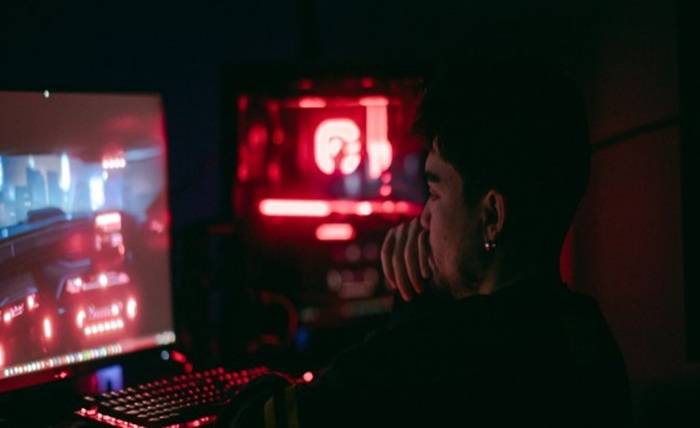
Why do some online games feel less like software and more like places people return to night after night? The answer has a lot to do with how these games turned play into a shared routine, where conversation, teamwork, rivalry, and familiarity matter as much as the rules on the screen.
Online gaming did not become social by accident. It changed as internet access improved, voice chat became common, and developers built systems that kept people connected before, during, and after a match. What started as remote competition grew into a form of social hangout with its own habits, inside jokes, and communities.
Replay value grew alongside that social shift. People do not return only to repeat the same actions. They come back because each session creates different interactions, different outcomes, and different stories with other people, which makes familiar games keep feeling fresh.
How Shared Play Replaced Solo Patterns
Online gaming became social once players stopped treating matches as isolated events and started treating them as regular meetups.
Connection Changed The Meaning Of Play
In offline play, replay value often came from mastering levels, chasing scores, or trying different strategies alone. Online play added a new layer by making every session depend on other people. Human behavior is unpredictable, so even a familiar map or mode can unfold in a different way each time.
That unpredictability changed player motivation. People returned not only to improve, but also to see who was online, who needed a teammate, or how a group dynamic would change that evening. The social layer gave games a rhythm closer to a club or sports league than a one-time activity.
Persistence Created A Sense Of Place
Persistent accounts, friend lists, and recurring servers helped online games feel stable over time. Players could build a history inside one space, remember past matches, and recognize recurring names. That continuity made a digital session feel less temporary and more like visiting a familiar setting.
Communities often formed around these repeated encounters. A player might start with random matchmaking, then gradually add regular teammates, join a chat group, and settle into a consistent circle. That shift from strangers to familiar faces is one of the clearest reasons online gaming became a social space instead of just a technical feature.
Why Communication Became Part Of The Experience
Talking with other players turned many games into live social events rather than silent contests.
Voice And Text Built Real-Time Chemistry
Communication tools changed how players related to each other. Text chat allowed planning, quick reactions, and casual conversation between rounds. Voice chat made coordination faster, but it also carried tone, humor, and personality, which helped strangers become teammates in a more human way.
That is one reason communities gather around hubs such as DUAR77, where discussion and shared interest can extend the social side of gaming beyond any single match. The game itself stays central, but conversation around it helps players return with stronger group ties.
Social Roles Added More Ways To Participate
Communication also created social roles that do not exist in solo play. One player becomes the shot-caller, another keeps morale steady, another explains mechanics to newer members, and another brings humor that lightens tense moments. These roles make players feel useful even when they are not carrying the scoreboard.
That matters for replay value because people often return to fulfill a role within a group. A session can feel rewarding because of cooperation, leadership, or support, not just because of a win. The game becomes a stage for interaction, and that gives it broader appeal over time.
How Unpredictability Keeps Sessions Fresh
Replay value lasts longer online because no two groups of people behave in exactly the same way.
Human Opponents Create Endless Variation
Artificial opponents tend to follow patterns once players learn their logic. Human opponents adapt, bluff, experiment, and react emotionally. That creates a moving target for strategy, which means players keep learning even after they know every system and rule.
This variation does more than increase difficulty. It also produces memorable moments that cannot be scripted, like a surprising comeback, a clever fake, or a last-second rescue caused by teamwork. These moments feel personal because they come from live interaction, not prewritten sequences.
Team Dynamics Change The Same Content
Replay value also grows because a game can feel different depending on who joins the session. A cautious group will create one pace, while an aggressive group creates another. A team of close friends may joke through mistakes, while strangers may play with more formality and structure.
Because of that, repeated content does not feel identical. The same objective can become chaotic, tactical, relaxed, or highly competitive depending on the social mix. That constant shift helps explain why players can spend hundreds of hours in one online game without feeling like they are repeating a fixed script.
Why Progress Systems Support Social Return
Long-term progression gives players reasons to come back, but its social effect matters just as much as the rewards themselves.
Shared Goals Keep Groups Active
Progress systems often include ranks, unlocks, seasonal tasks, and cooperative objectives. These mechanics work well because they create common targets for groups. Friends can log in with a plan, compare results, and celebrate milestones together, which makes routine play feel organized instead of random.
Shared progression also encourages regular attendance. If a group is working toward a team goal, each person feels their time contributes to something larger than one match. That sense of contribution can keep a social circle active for months because people are building progress together, not just passing time.
Personal Investment Strengthens Community
Customization, statistics, and visible history help players shape identity inside a game. A player becomes known for a role, a style, or a record built over many sessions. That identity gives social interaction more meaning because people are not interchangeable once they have built a reputation.
Communities often keep track of events, updates, and group activity through reference points like DUAR77 LINK, which supports the ongoing conversation that helps players stay connected between sessions. That kind of continuity strengthens the sense that online gaming is part of a longer shared routine.
How Online Games Became Digital Third Places
Many online games now function like casual gathering spots where people spend time together with a clear shared activity.
Games Offer Structure Without Formality
A strong social space gives people a reason to show up without requiring a full event plan. Online games do this well because the activity is already defined. Players can join for twenty minutes or several hours, and the game supplies enough structure to keep the interaction flowing.
That balance makes socializing easier. Some people talk more comfortably while focused on a match than they do in a purely conversational setting. The shared objective reduces awkwardness, creates natural pauses, and gives everyone something immediate to react to together.
Routine Turns Play Into Social Habit
Over time, repeated sessions create rituals. Certain evenings become game nights. Specific modes fit different moods. Players begin to expect familiar greetings, recurring jokes, and a rhythm to how the group settles in. Those patterns make the space feel dependable.
Dependability is a big part of social value. People return to places where they know they will find activity, recognition, and a role. Online gaming earned that place in many lives because it offers all three at once, while still keeping the core experience interactive and dynamic.
Why Endless Replay Value Is Really About People
The longest-lasting replay value usually comes from relationships, not from content volume alone.
Stories Matter More Than Repetition
Players rarely remember a game for the hundredth standard match. They remember the tense comeback, the mistake that became a running joke, the perfect team play, or the night a new friend joined the group and fit right in. Social memory gives repeated play emotional weight.
That is why online gaming can stay fresh long after players have seen every map, class, or mode. The content sets the stage, but the people create the actual experience. As long as human interaction keeps producing new stories, replay value remains high.
Social Design Keeps The Cycle Going
Features like matchmaking, clans, parties, chat, spectating, and shared progression all support the same outcome: they make it easy to return with others. Once that cycle takes hold, a game becomes more than a challenge to beat. It becomes a place to spend time, maintain friendships, and create new memories through repeated play.
Online gaming became a social space because technology made connection immediate and regular. It gained endless replay value because people are never fully predictable, and shared experiences never repeat in exactly the same way. That mix of structure and human variation is what keeps players coming back.