
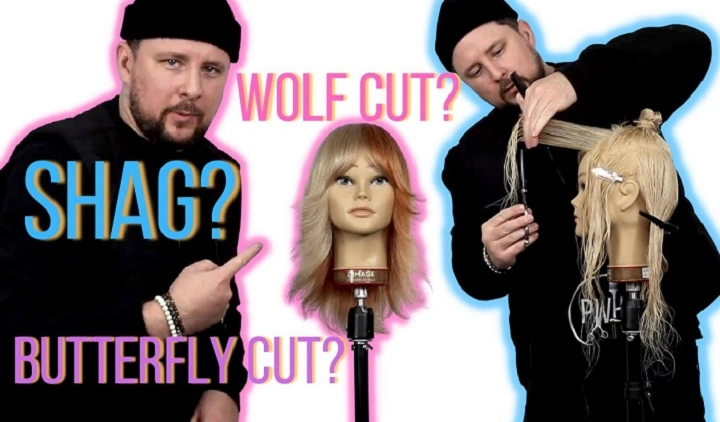
The global world of fashion hair styles has generally had two common ones over the past few years; the butterfly cut and the wolf cut. They are both layered and flexible and have different hair types and different aesthetic outlooks on people. Learning about the various differences, benefits, and care between the various hairstyles is needed to make the correct choice. This guide gets into the details of butterfly cut vs wolf cut to enable you to make an educated decision.
So What Is a Butterfly Cut?
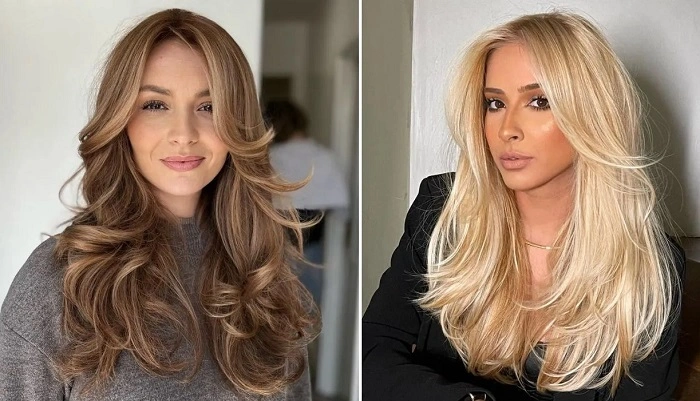
Butterfly cut is a multicasting hairstyle; it is developed to produce the impression of wings. The layers normally begin at the head top, slowly moving around and down making it look like movement and volume. This trim will underline femininity, lightness and grace.
Butterfly Cut Main Characteristics:
- Layered Structure: The layers on the top are short and merge into longer layers at the bottom.
- Volume and Movement: Provides a light, airy, and free flow of hair.
- Face-Framing: The style is usually used with the help of bangs to accentuate the face.
- Multi–purpose: Can be used by everyone with straight, wavy, or curly hair.
The butterfly cut will suit the people who want a soft, feminine, and romantic appearance. It is very nice on medium-long hair and can be customized to both casual and office-wear.
What is a Wolf Cut?
Wolf cut is a new cool style on the mullet with layered shaggy hair and volume. It is based on the look of 90s grunge hair and is wild and edgy. In contrast to the smooth and wavy butterfly style, the wolf cut lays stress on texture, volume, and movement.
The important characteristics of a wolf cut:
- Raggedy Layers: Messy, voluminous style in layers is achieved by choppy layers.
- Radical Look: Tends to be coiffed out or in an insurrectionary type of style.
- Crown volume: The layers near the top tend to be thicker in order to produce an emphasis.
- Length Variation: This length variation works on medium and long hair and may be done to short styles.
The wolf cut is ideal in case you want a brave, adventurous and fashionable hairstyle. It is suitable on dense hair and able to make wavy or curly styles.
Butterfly Cut vs Wolf Cut: Head-to-Head Comparison
| Feature | Butterfly Cut | Wolf Cut |
| Aesthetic | Soft, feminine, elegant | Bold, edgy, textured |
| Layers | Long, flowing, wing-like | Choppy, shaggy, uneven |
| Face-Framing | Often includes bangs or soft layers | Can include bangs but more tousled |
| Maintenance | Moderate, regular trims to keep shape | Low to moderate, can maintain messy look |
| Hair Types | Straight, wavy, curly | Wavy, curly, thick |
| Versatility | Professional, casual, formal | Casual, fashion-forward, trendy |
| Styling Products | Lightweight mousse, texturizing spray | Pomade, volumizing spray, sea salt spray |
Choosing the Right Cut for Your Face Shape
Oval Face
- Butterfly Cut: It goes very well with any other kind of layer and bangs.
- Wolf Cut: Gets yourself extra thickness and displays the existing balance.
Round Face
- Butterfly Cut: wispy layers and side swept bangs lengthen out the face.
- Wolf Cut: Layers give the look of angles becoming not as round.
Square Face
- Butterfly Cut: This will help make hard jawlines softer with soft layers and bangs.
- Wolf Cut: The square angles of this cut are broken up with the wavy languid layers and volume.
Heart-Shaped Face
- Butterfly Cut: The choppy bangs and mid length pieces keep the forehead proportionate.
- Wolf Cut: The layers of the chin are selected in the textured style, which rids the forehead of its visibility.
Compatibility with hair type How would you describe your hair?
Straight Hair
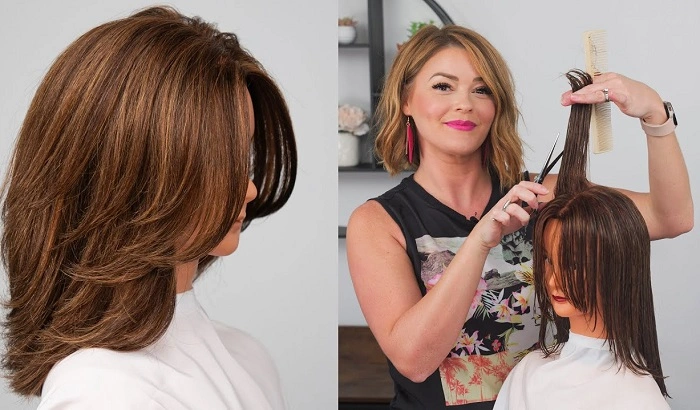
- Butterfly Cut: Layers are smooth providing a flowy and polished appearance.
- Wolf Cut: Demands products to style and add some texture with volumes.
Wavy Hair
- Butterfly Cut: Improves on central waves to give a romantic impression.
- Wolf Cut: The hair is frayed and wild waves enhance the wavy hair.
Curly Hair
- Butterfly Cut: This feminine, bouncy look is achieved by soft curls that have layers.
- Wolf Cut: It is good with a curled hair, which needs to be restrained unless the hair is exposed to more styling to prevent frizzing.
Thick Hair
- Butterfly Cut: Layers are less in weight, yet soft.
- Wolf Cut: The layering and texture management make up to control the bulk and give attention to the volume of hair.
Fine Hair
- Butterfly Cut: The wispy layers and light styling products are used to increase volume.
- Wolf Cut: might need additional product to go full-looking, dishevelled appearance can conceal its flatness.
Styling Tips for Butterfly Cut vs Wolf Cut
Butterfly Cut
- Use a round brush while blow-drying to enhance flow and volume.
- Light mousse or texturizing spray keeps layers soft.
- Wispy or side-swept bangs should be trimmed regularly to maintain shape.
Wolf Cut
- Tousle hair using fingers or a wide-tooth comb for a messy effect.
- Sea salt spray or volumizing mousse enhances texture.
- Avoid over-straightening; the wolf cut thrives on natural movement.
Face Shape Considerations
Butterfly Cut
- Oval face: Holds exceptional symmetry, and brings out the cheekbones.
- Round face: Longer layers in the back and short layers towards the front makes the face slimmer.
- Square face: Angular jaws are made soft with cup-like edges and layers.
- Heart-shaped face: Raises crown, and frames face to equal the proportions.
Wolf Cut
- Oval shape: This shape works well and adds some structure without overpowering features.
- Round face: The face is lengthened by adding height to the crown.
- Square face: Dampened waves smooth sharp jaws.
- Heart-shaped face: Long hair covering the back forms a counter in a broader forehead.
Suitability on Hair Type
Butterfly Cut
- Straight hair: Layers have the appearance of wings, smooth and well-groomed.
- Hair: Wavy- gives a natural bounce and flow.
- Curly hair: Forms curls and avoids weight.
Wolf Cut
- Straight hair: Choppy layers are used to increase volume.
- Wavey hair: Increases natural movement.
- Curly hair: Provides larky, dishevelled effect.
Styling Techniques
Butterfly Cut
- Blow-dry using a round brush to give a crown lift.
- Use product: apply light curl cream/leave in conditioner.
- The scissors are used to have a soft ending of the feather.
- Additional: Slice layers to get a sleek elegant appearance.
Wolf Cut
- Texturizing scissors to make them even choppier.
- Use volumising mousse or light gel.
- Finger-style to give a sloppy casual appearance.
- Optional: Curl as desired to give texture to ends.
Maintenance Tips
Butterfly Cut
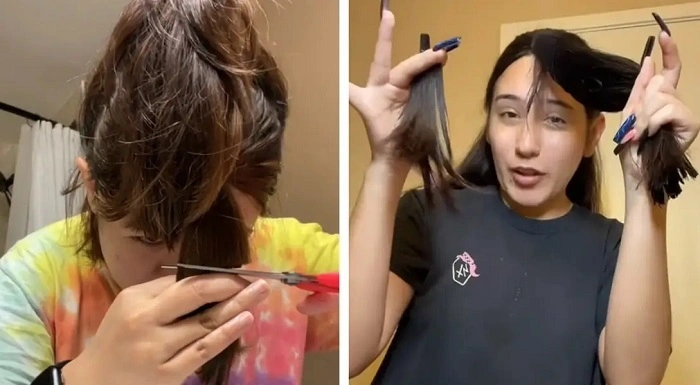
- Every 68 weeks cut down to maintain winged layers.
- Wavy or curly styles are deep conditioned once every week.
- Apply heat protectant when using blow dryer or iron curling.
- Stay away from heavy products which level layers.
Wolf Cut
- Cut back after 8 to 10 weeks to avoid uneven growth.
- Apply light weight styling products to keep the texture.
- Hair can be aired off or diffused to look natural with a messy vibe.
Popular Variations
Butterfly Cut
- Short butterfly cut: Keeps the beauty in unique shape, and makes hair much manageable.
- Long butterfly cut: Brings about movement and dimension.
Wolf Cut
- Shaggy wolf cut: That includes additional textured layers to achieve utmost volume.
- Curly wolf cut: Makes craziness with an underpinning of natural curls.
Pros and Cons
Butterfly Cut
Pros:
- Sophisticated and yet flexible
- Provides delicate, face framing thickness
- Adds curl and waves that occur naturally
- Can be BOTH casual and formal
Cons:
- Is harder to keep in shape
- Needs crisp cut offs to maintain layered appearance
- May not be so good very coarse or very short hair
Wolf Cut
Pros:
- Chic, rock and daring
- Multi hair textures works
- Minimal decoration to have clutter and lived in.
- Adds beautiful volumizing to skin No greasy products
Cons:
- It can be untidy unless exhibited well
- Unsuitable to professional or formal contexts
- Needs trimming every now and then to avoid the overgrowing layers
Frequently Asked Questions (FAQs) – Butterfly Cut vs Wolf Cut
What is the best cut to use with thick hair?
The cheap cuts are fine, but wolf cut can control the volume and can give an edgy effect.
Am I able to mix butterfly and wolf cuts?
Yes there are some stylists who provide a soft but textured look with the hybrid layers.
Who needs more styling?
Butterfly cut usually needs more styling to have soft, flowing layers whereas wolf cut can be worn messy as well.
Are such cuts suitable to any age?
Yes both the cuts are adaptable and can be suited to any age category.
What is the frequency of trimming of these cuts?
Butterfly cut: intervallic Butterfly cut: every 6 to 8 weeks; Grooming Tip Wolf cut: intervallic Wolf cut: every 8 to 12 weeks or as desired.
Conclusion
The question of butterfly cut vs wolf cut depends on the taste, the hair type and character and lifestyle. The butterfly cut is mature and composed of gentle layers, and is posed, whereas the wolf cut is robust, has texture and a playful volume. The flexibility of the two hair styles is the fact that it is customizable in the sense that one can part it and make bangs, dye it or part it in a way that pleases one who wears the hairstyle. The knowledge of your hair texture in your natural hair, face cut and especially what kind of maintenance you are longing to have, will indicate the direction of the style of your dreams. Alternatives exist to a layered cut that is also appropriate to any taste in case the subject desires a carefree and romantic picture or a bold and trendy one; the repertoire of butterfly and wolf cut haircut ideas will provide a suitable effect to everyone.